
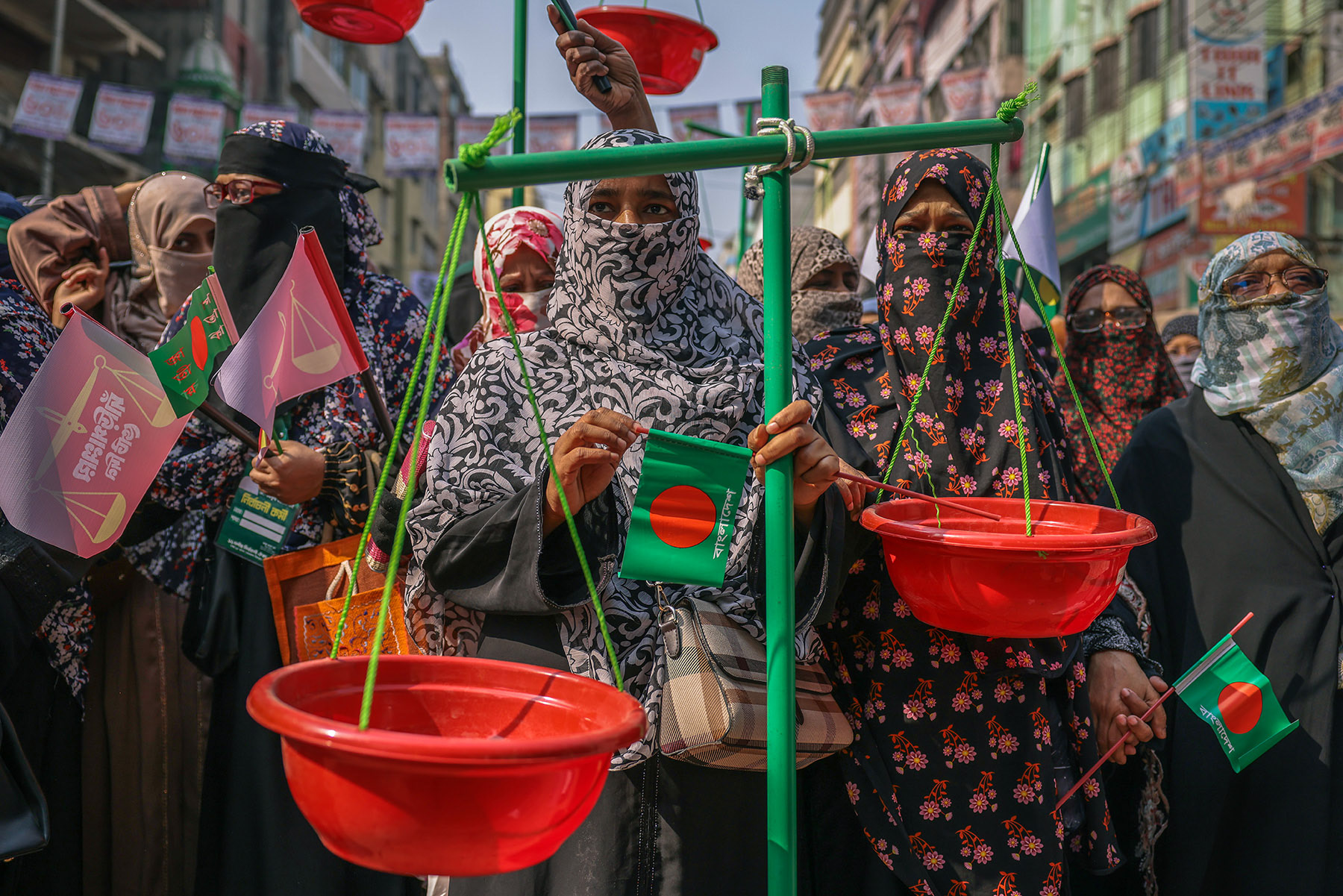
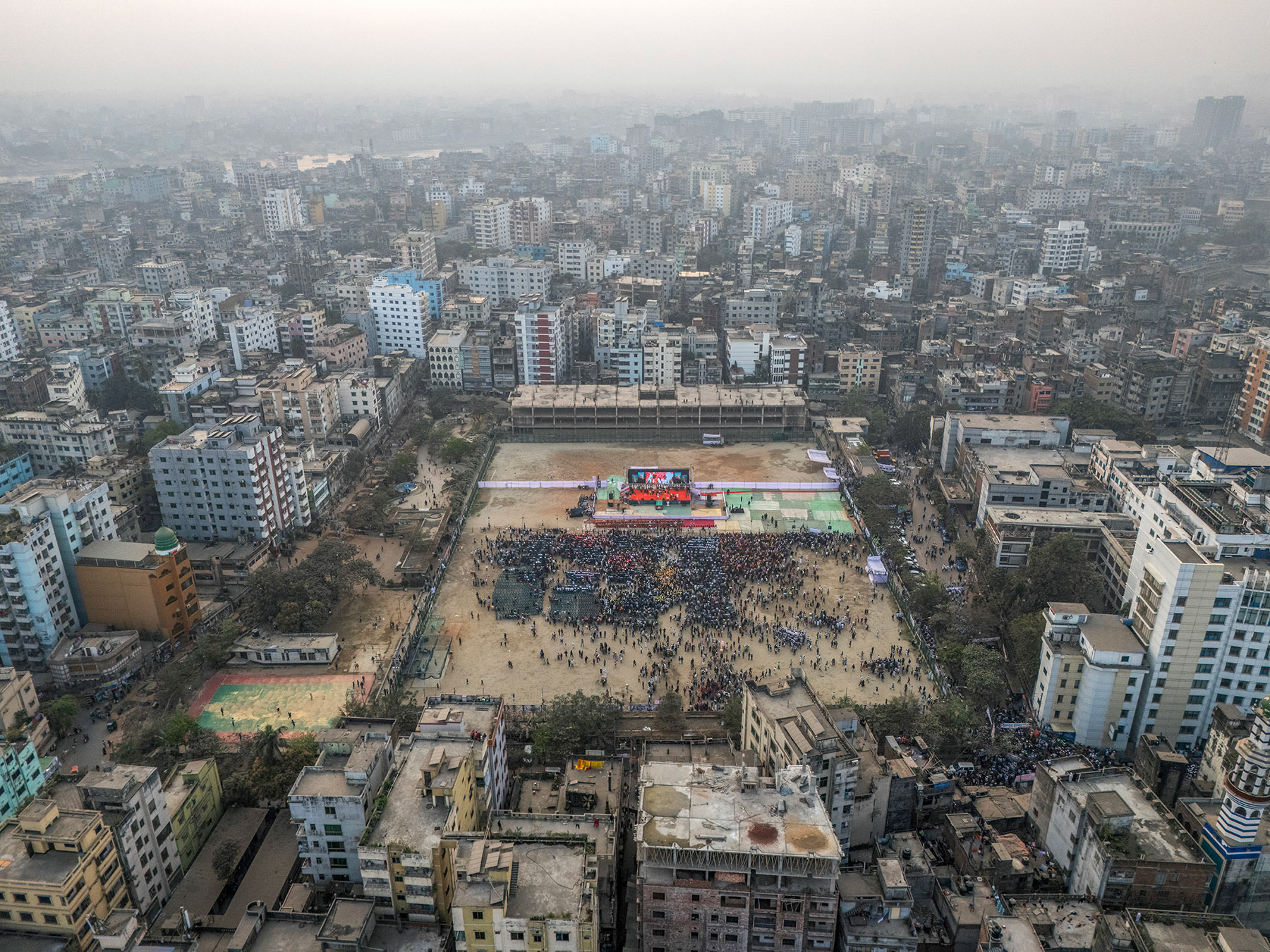
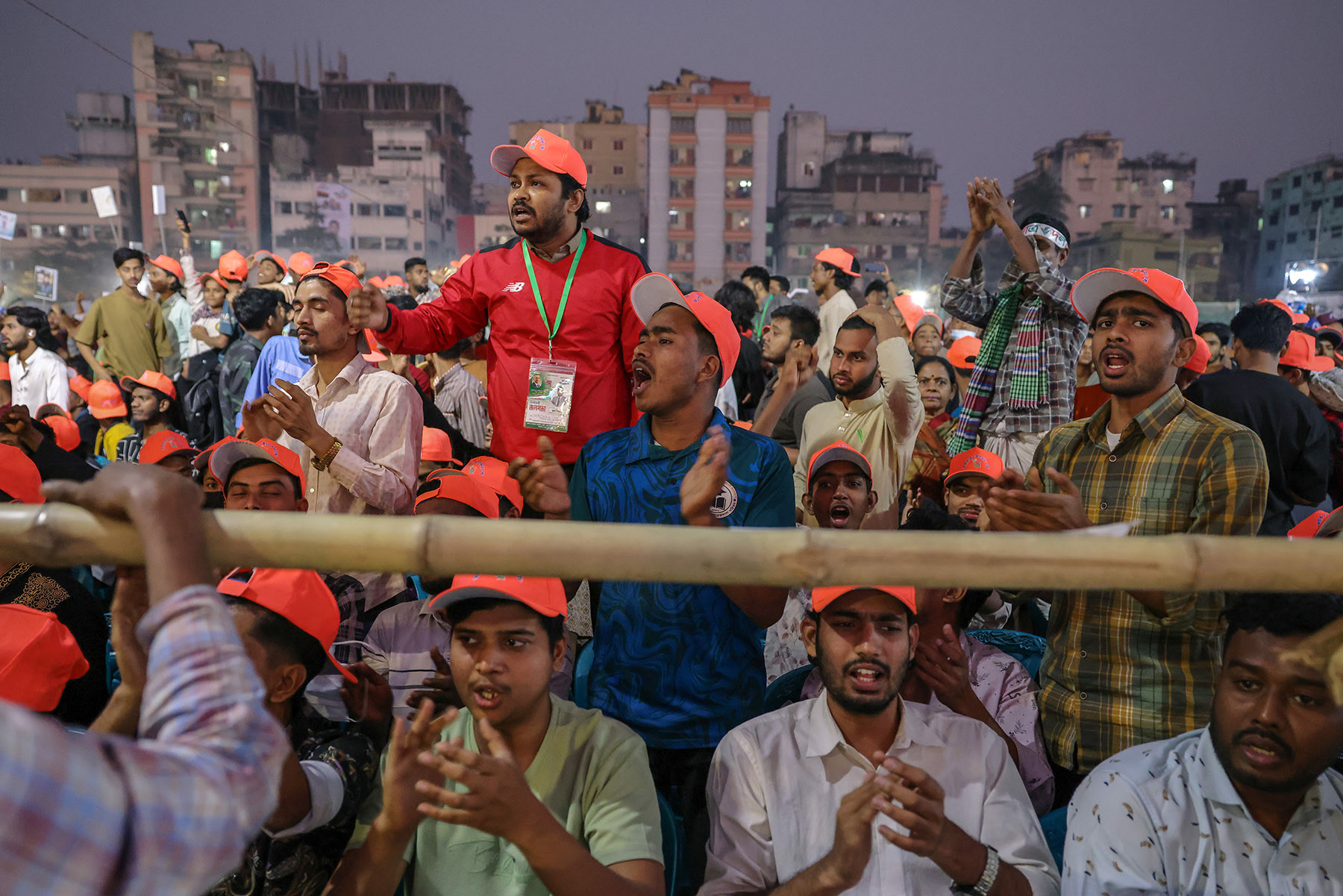
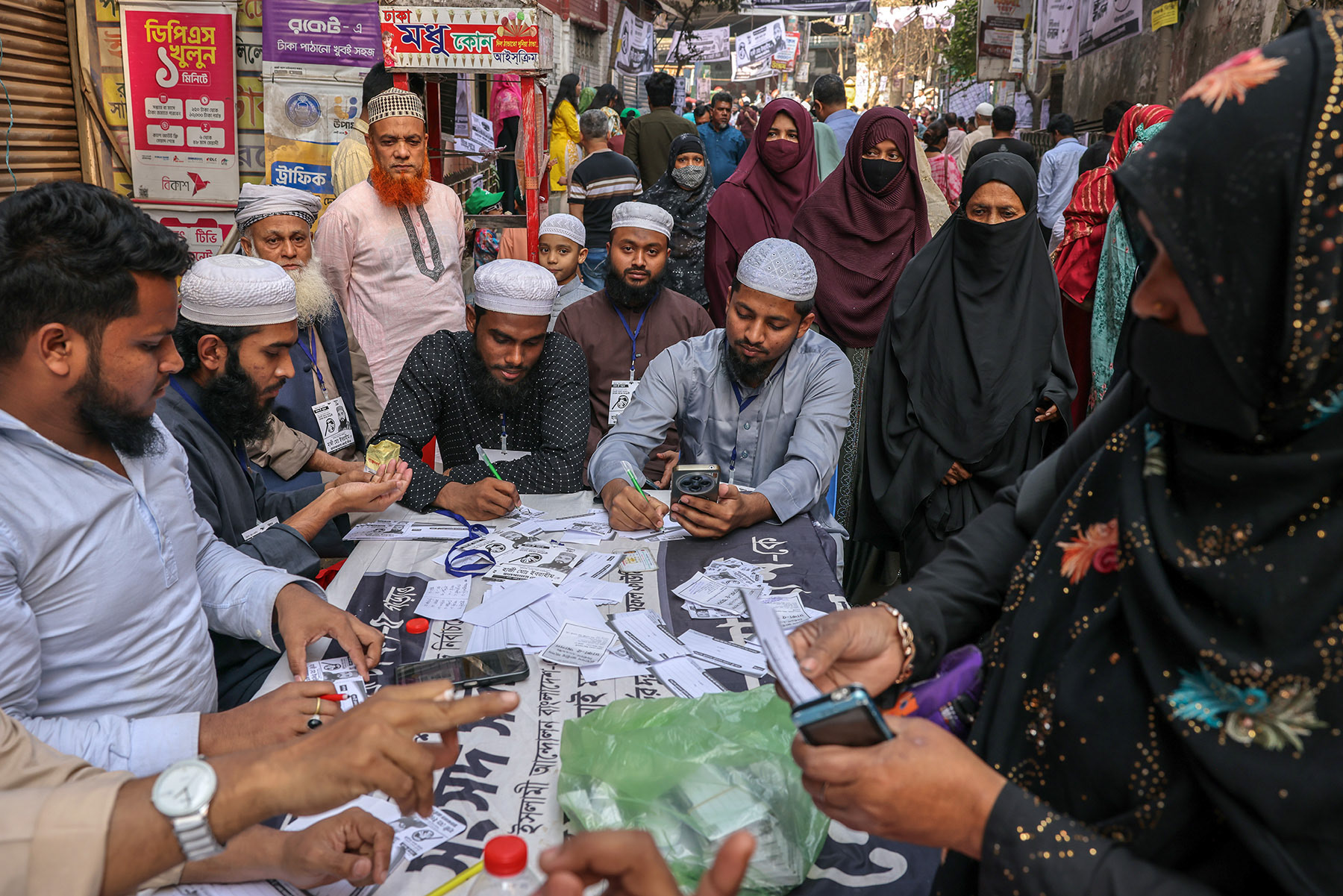
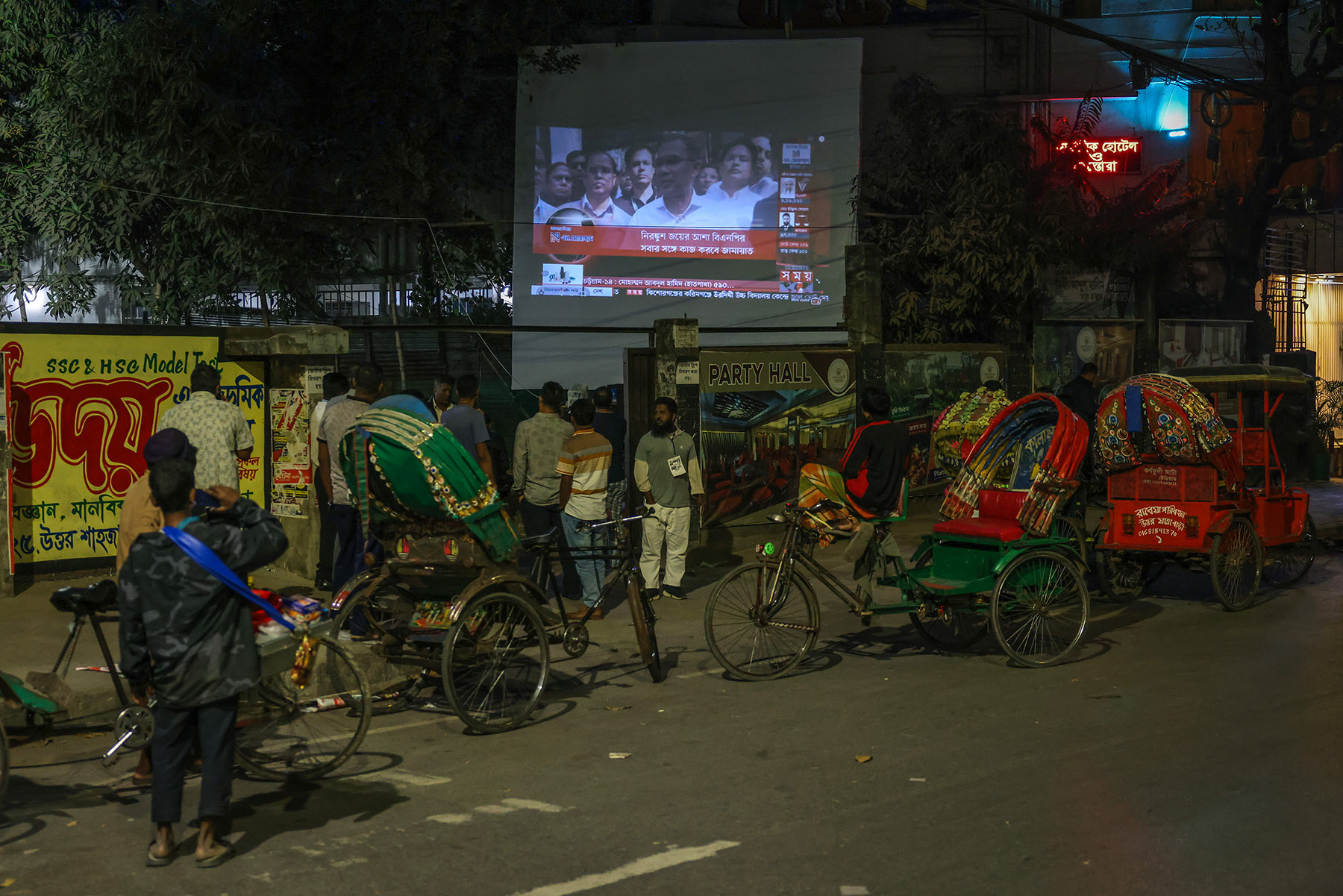
Bangladesh is holding its first parliamentary elections since a student uprising ended an authoritarian regime. In the capital, Dhaka, the election campaign is in full swing.
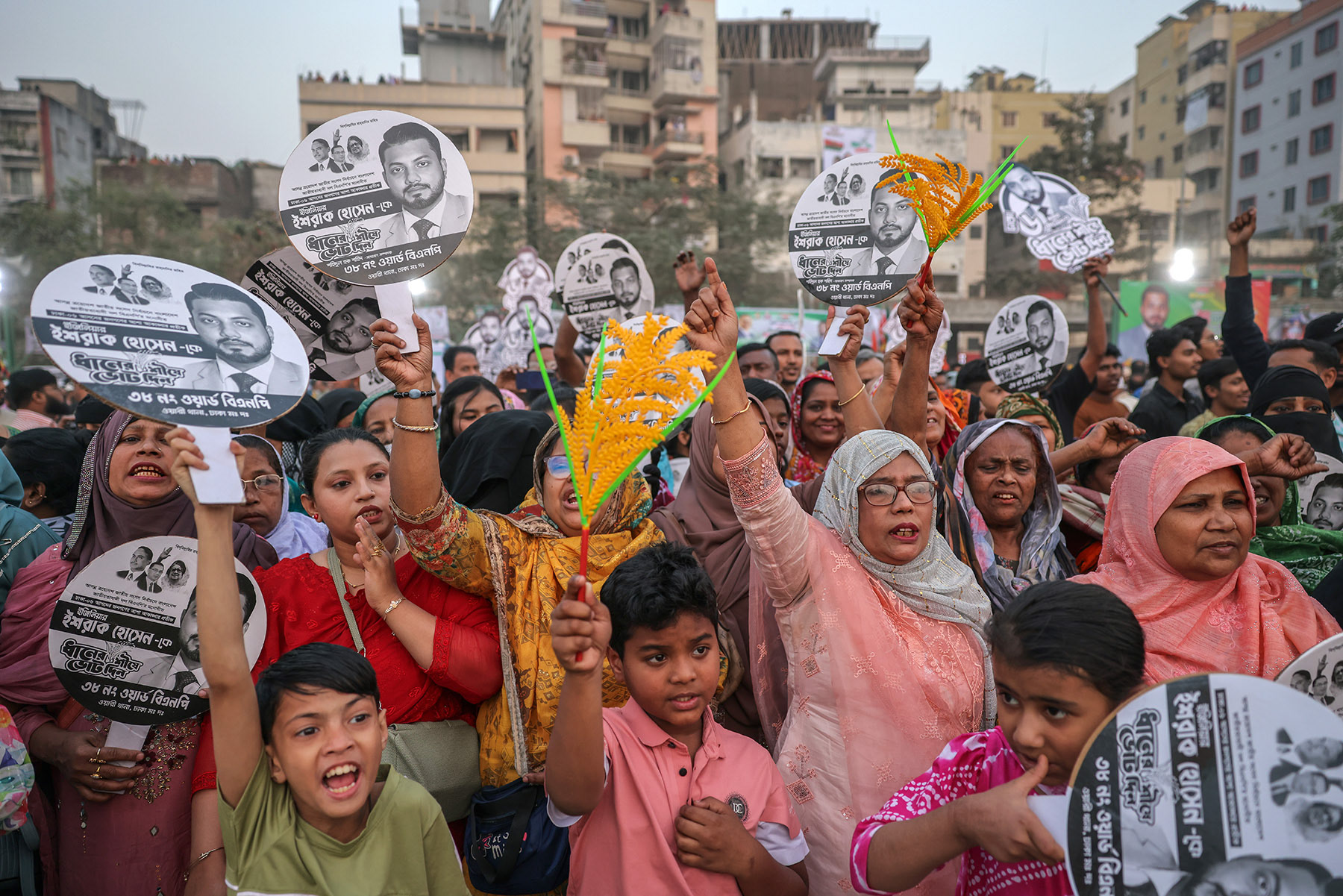
Black and white candidates banners stretch as far as the eye can see. Shouts of support echo through the narrow streets filled with rickshaws.
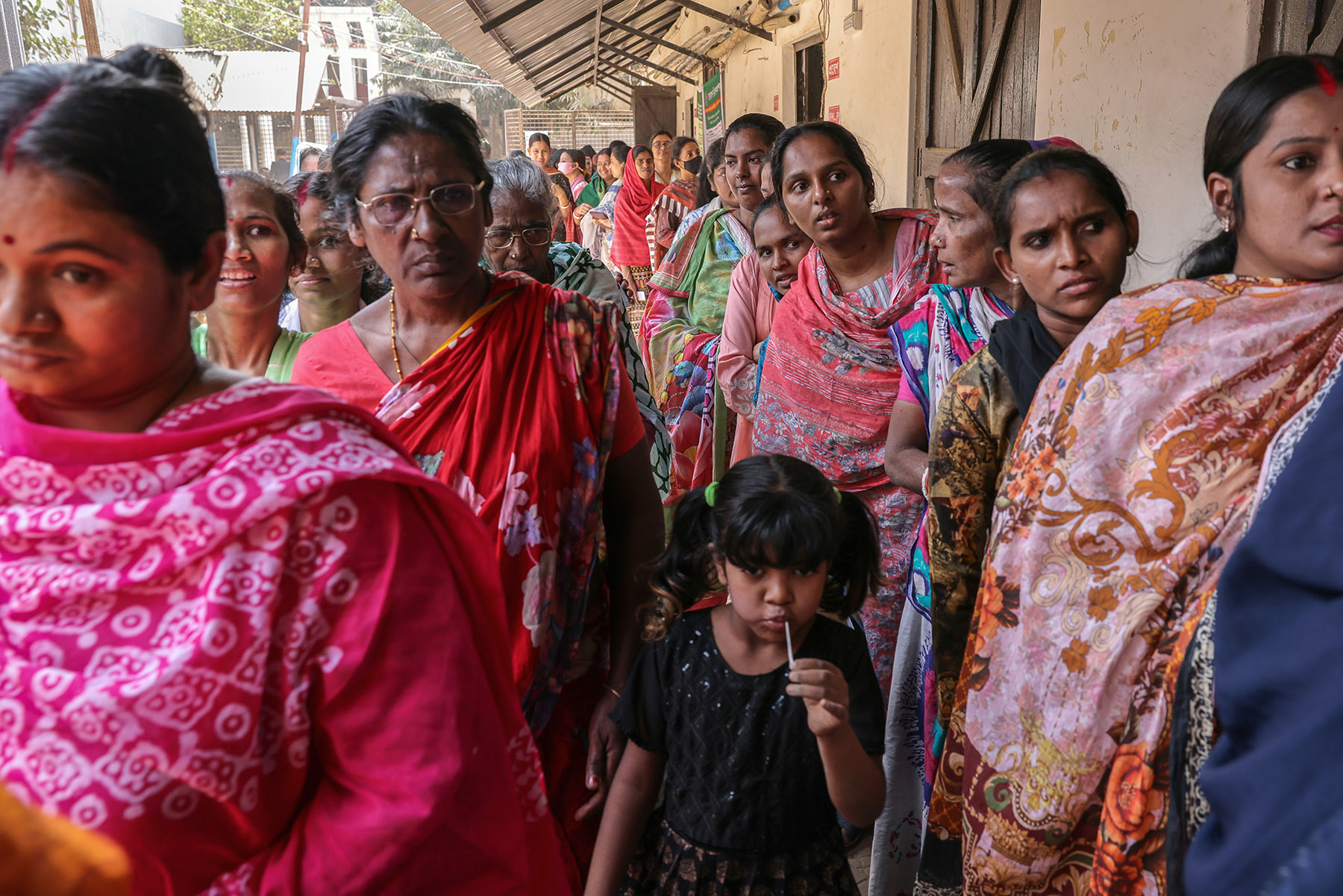
The 2026 Bangladesh election is shaping up to be one of the most defining political moments in South Asia this year. Nearly 127 million eligible voters will elect the next prime minister and parliament for a five-year term.
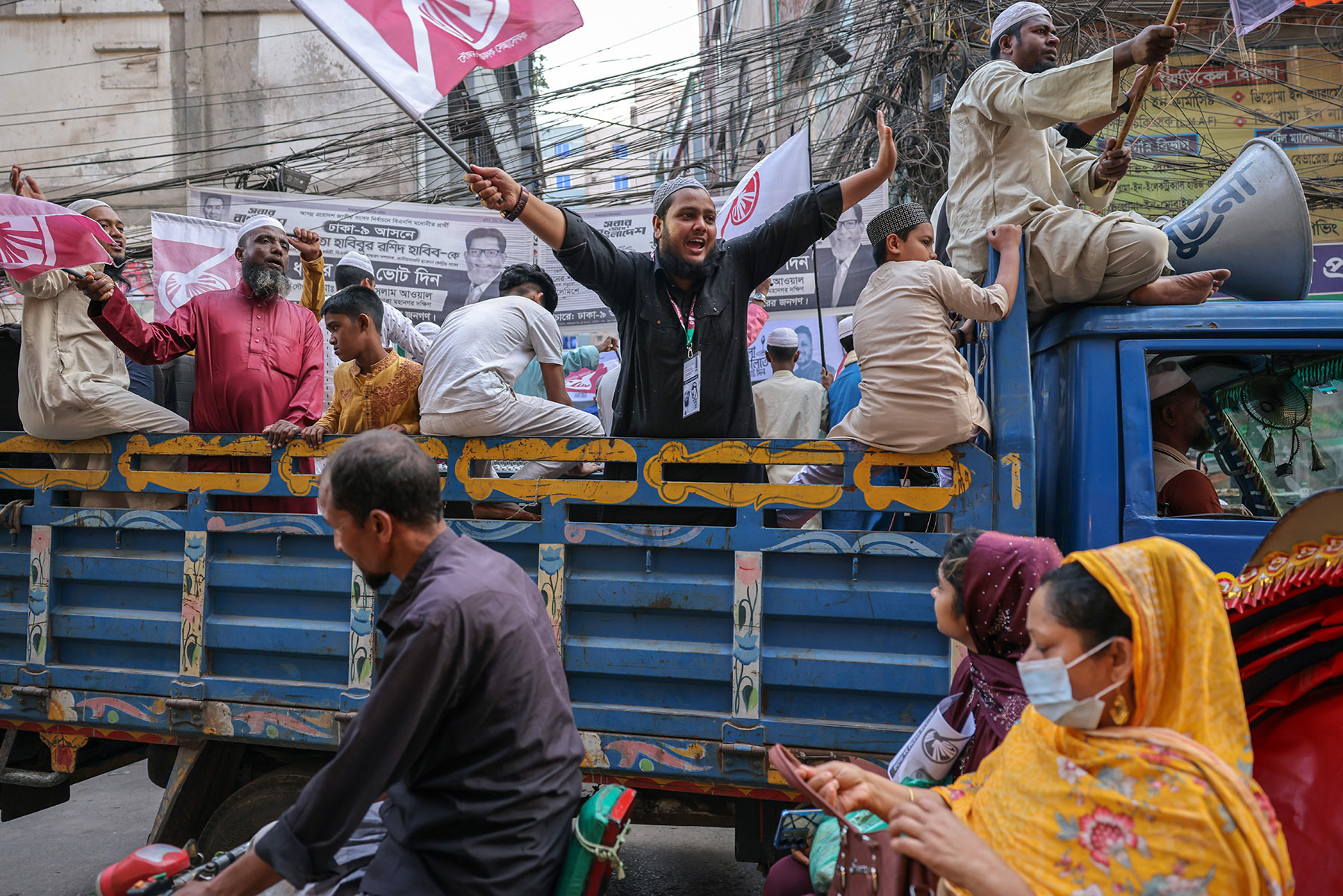
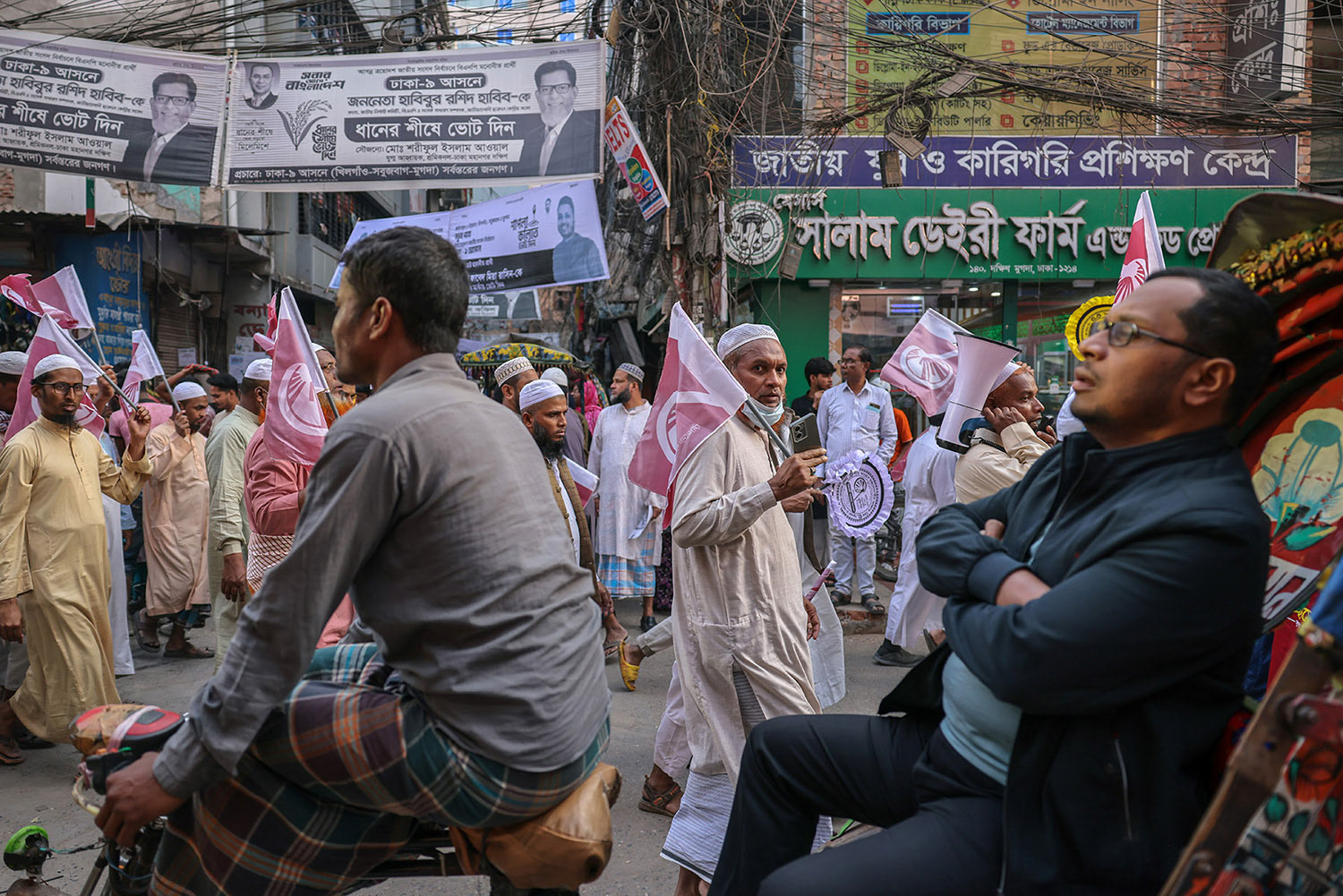
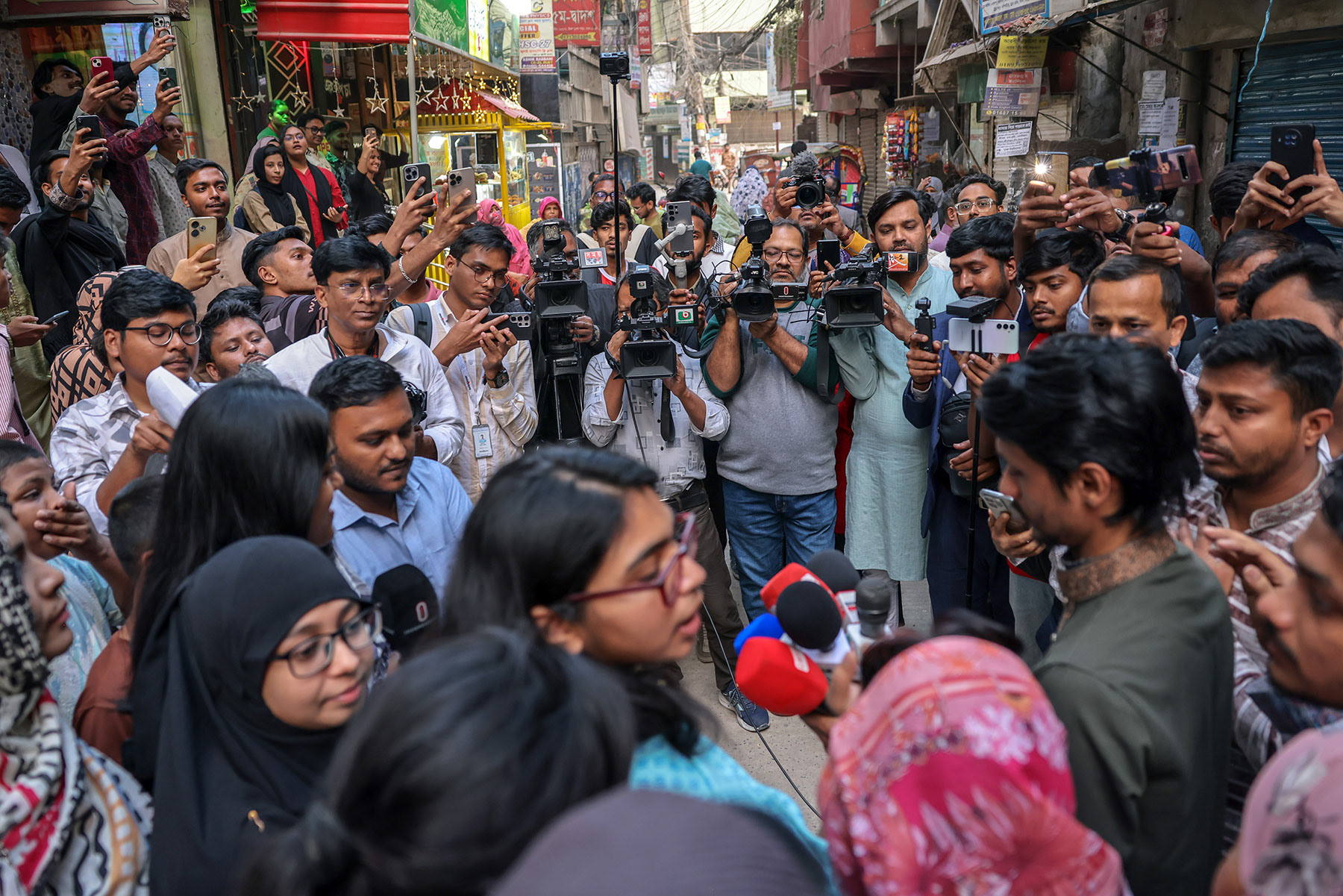
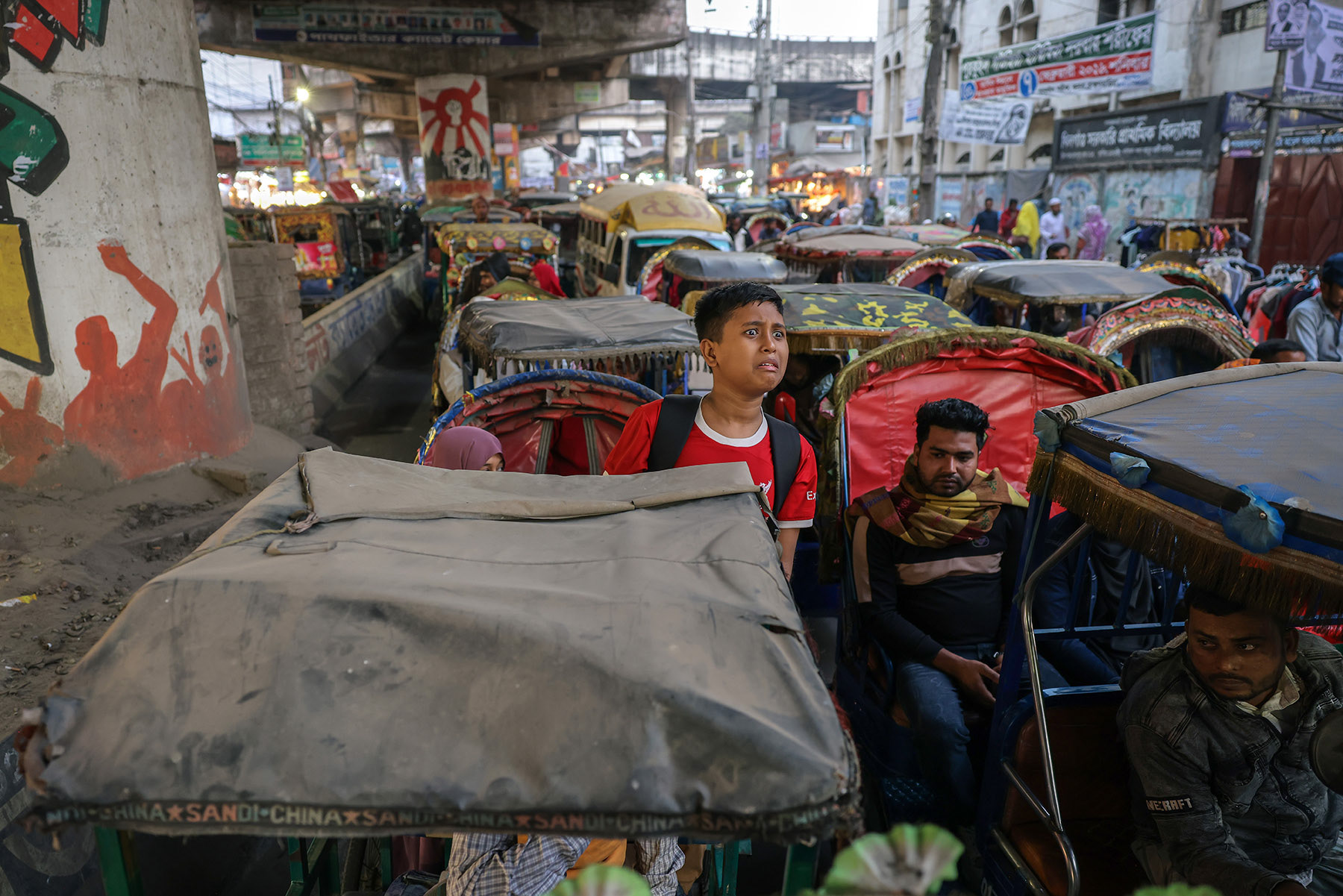
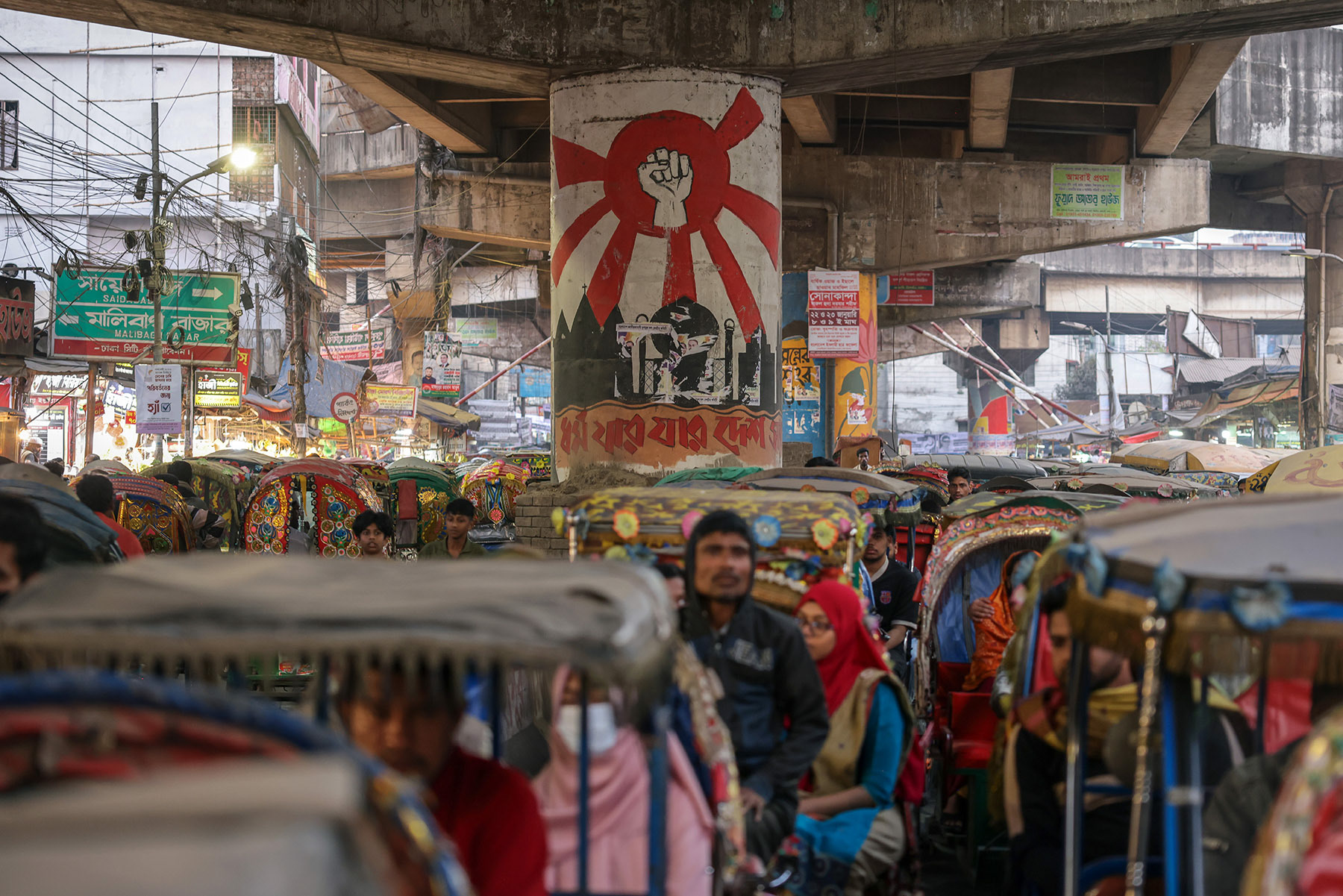
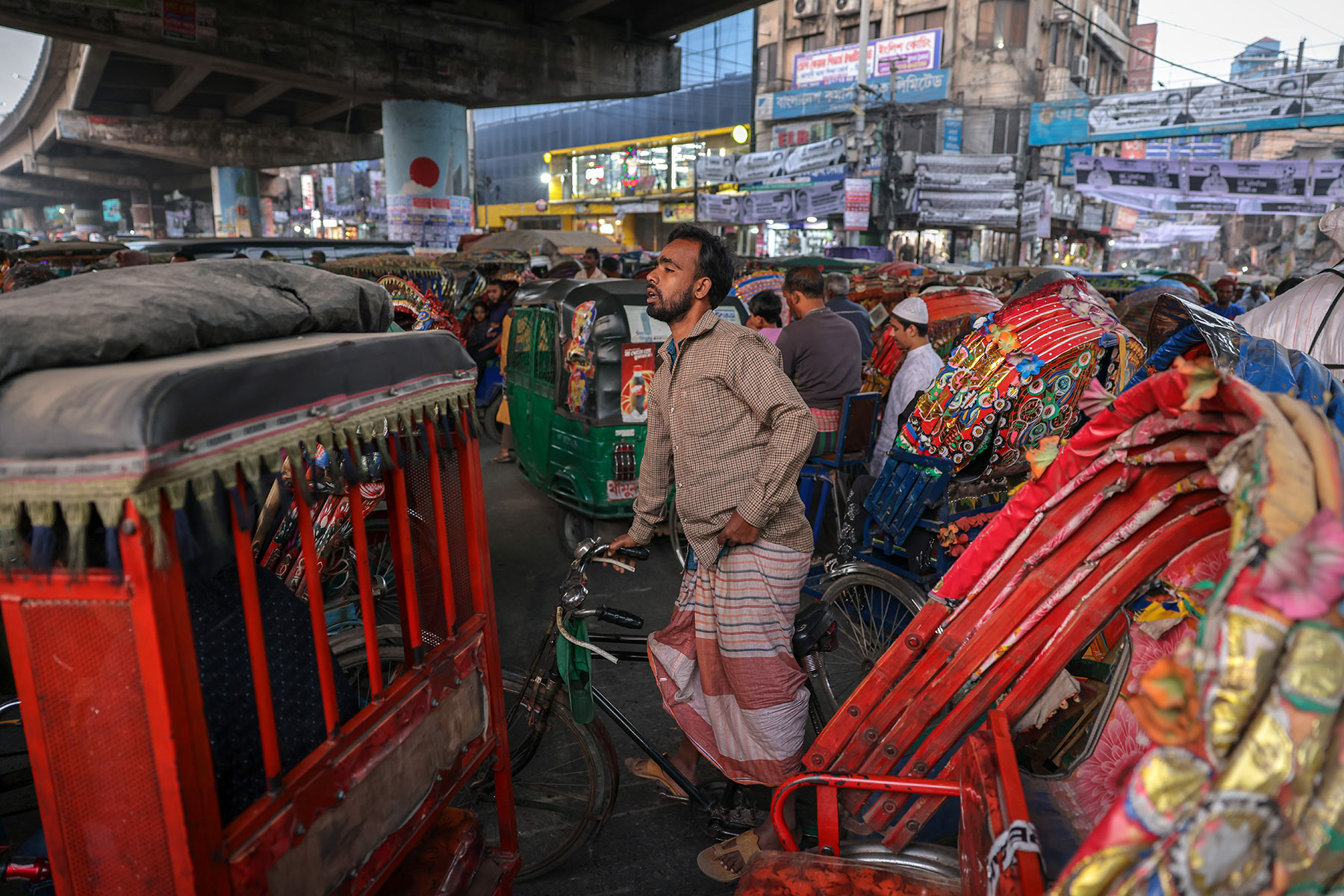
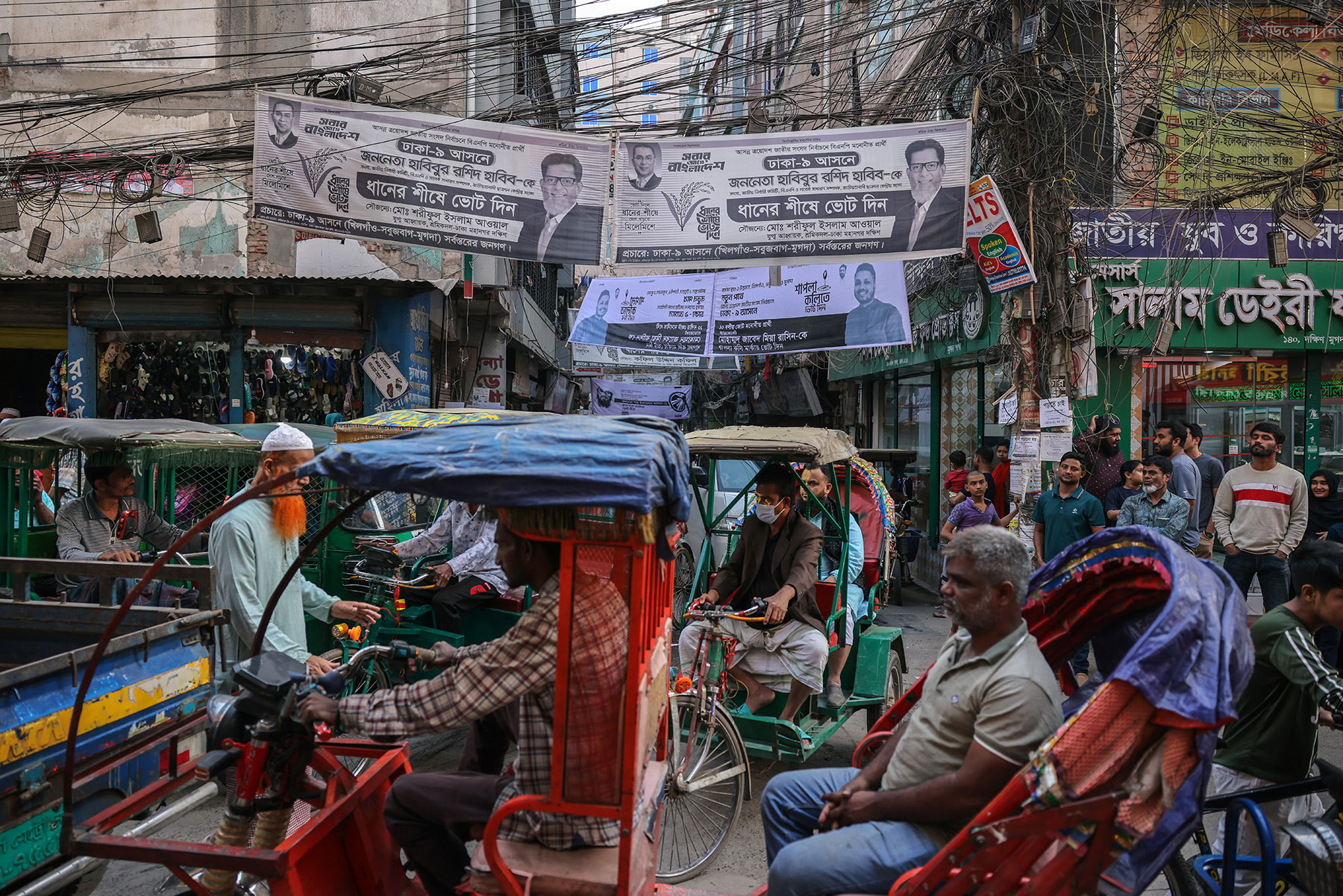
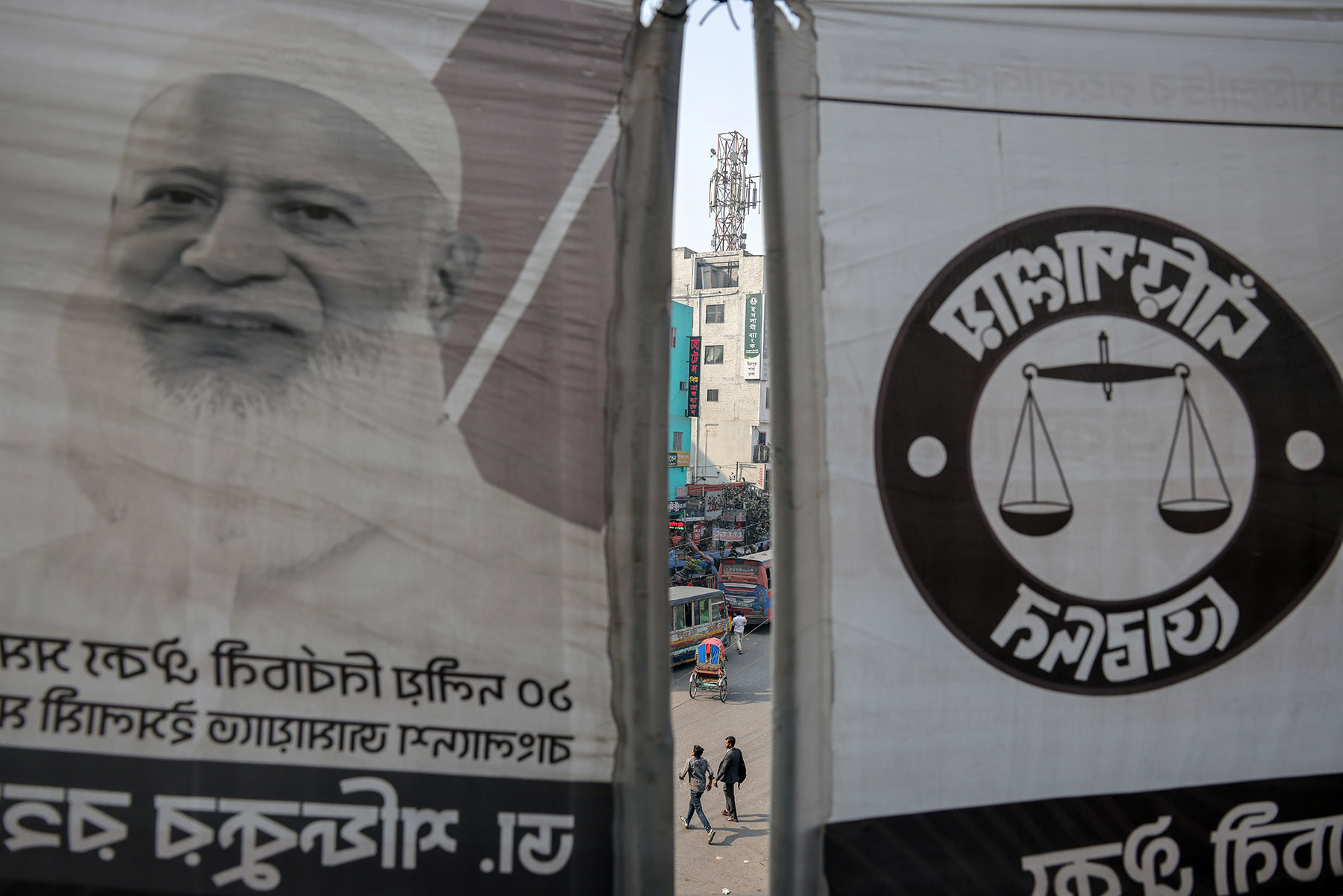
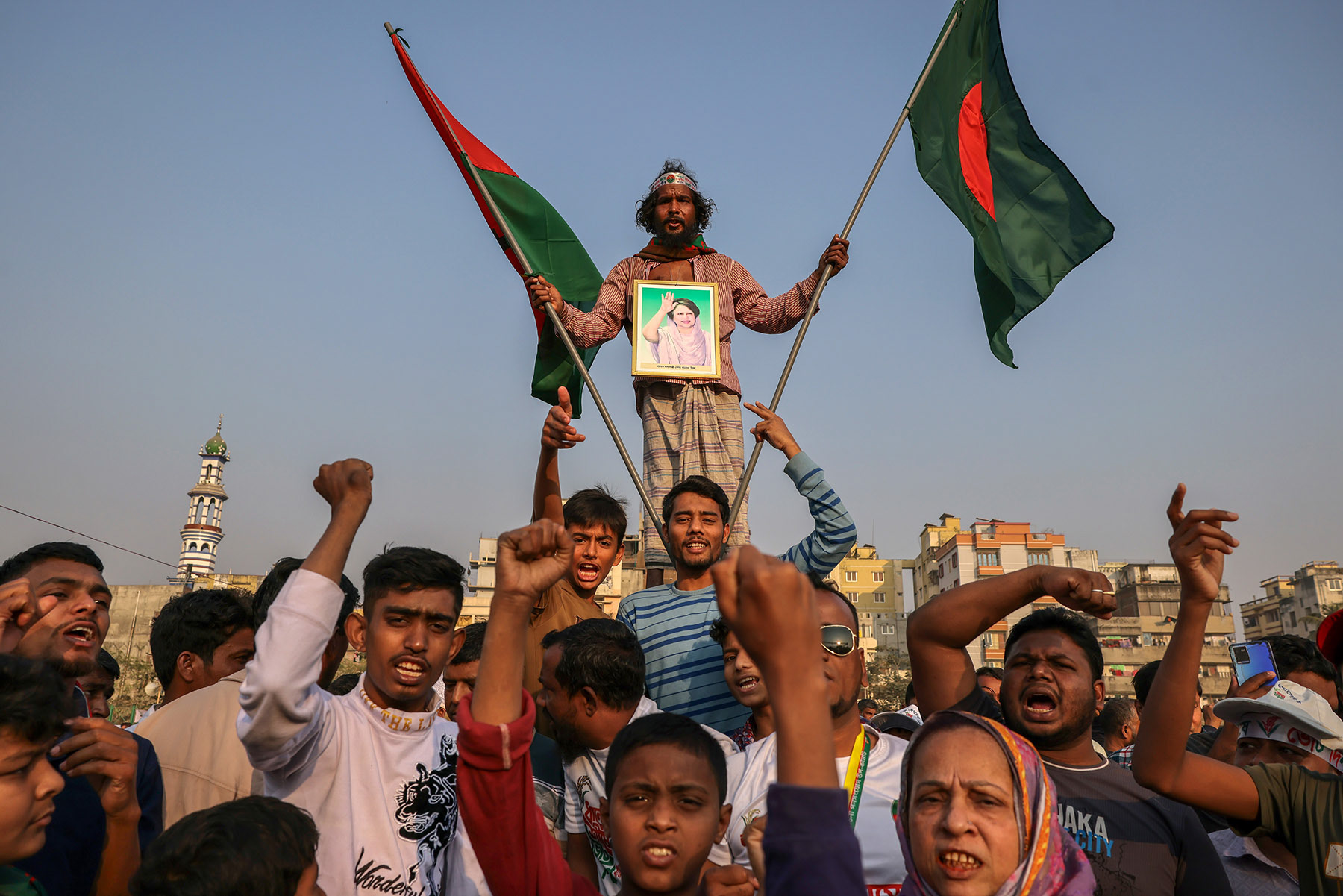
In 2024, the country was still united in anger. Sheikh Hasina (78), the prime minister who made her opponents disappear, plundered the state treasury, and orchestrated election results, was deposed after fifteen years of authoritarian rule.
To the great joy of all opposition parties, from left to right. In retrospect, the Bangladeshi youth's uprising sparked a global movement. A year later, Gen Z protests à la Bangladesh also emerged in Indonesia, Nepal, Madagascar, and Morocco. Immediately after the uprising, Bangladeshis also seemed to share a vision of the future.
Once Hasina fled to neighboring India, all residents (except for Hasina's supporter) spoke with one voice: they wanted justice for all victims of the regime, including the 1,400 demonstrators killed in the protests, and large-scale reforms. The country, it was widely believed, needed to be put back on a democratic path after this revolution.
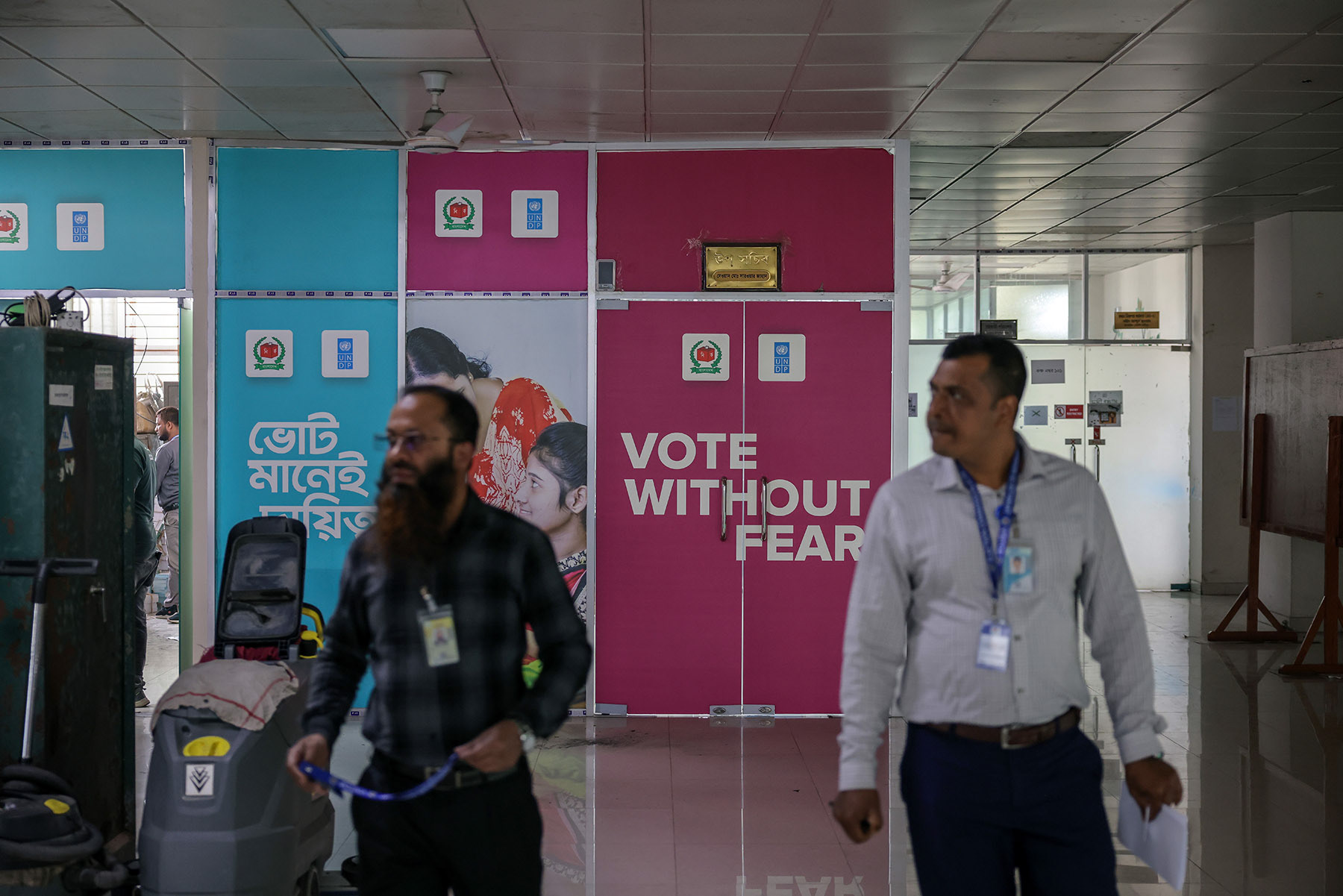
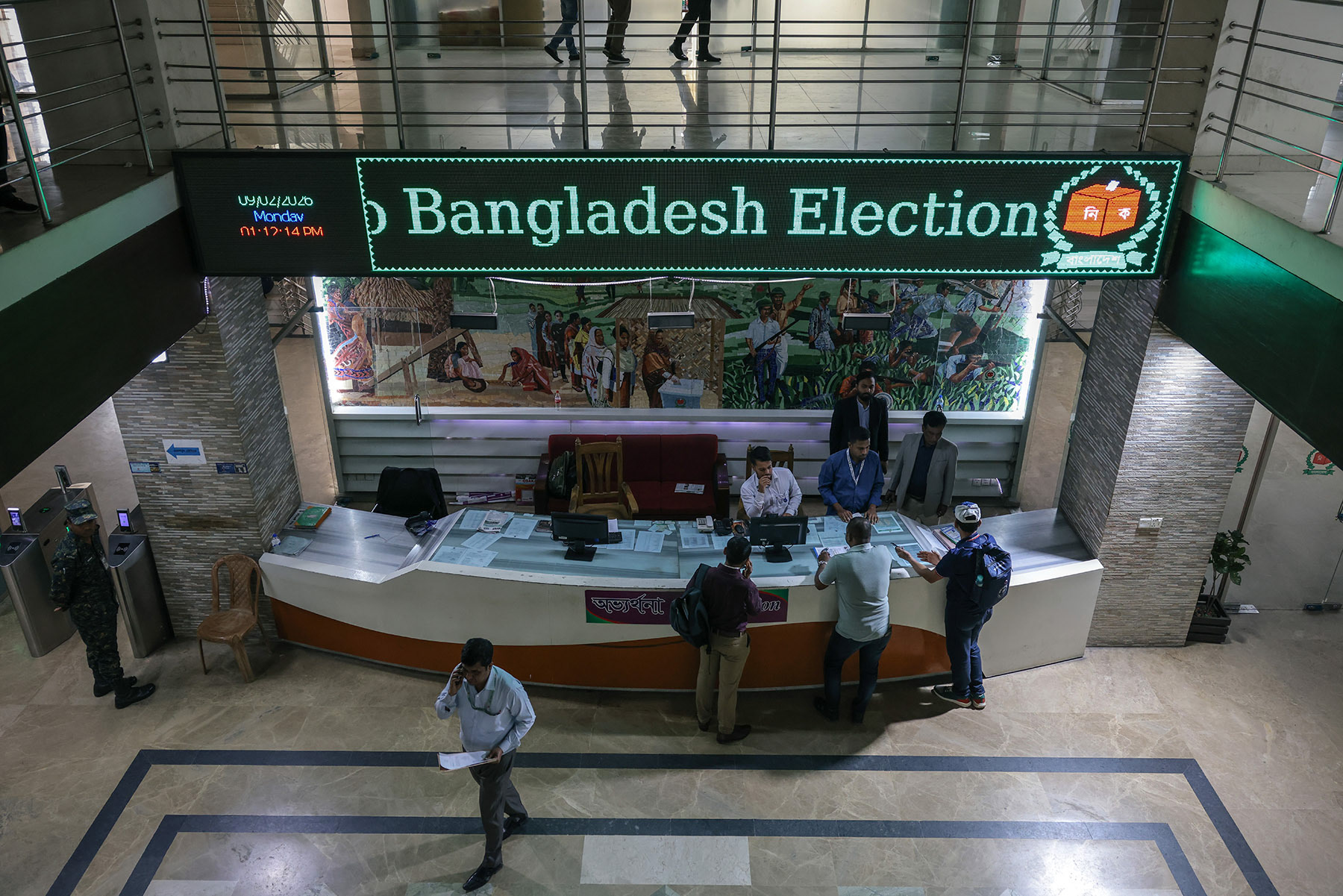
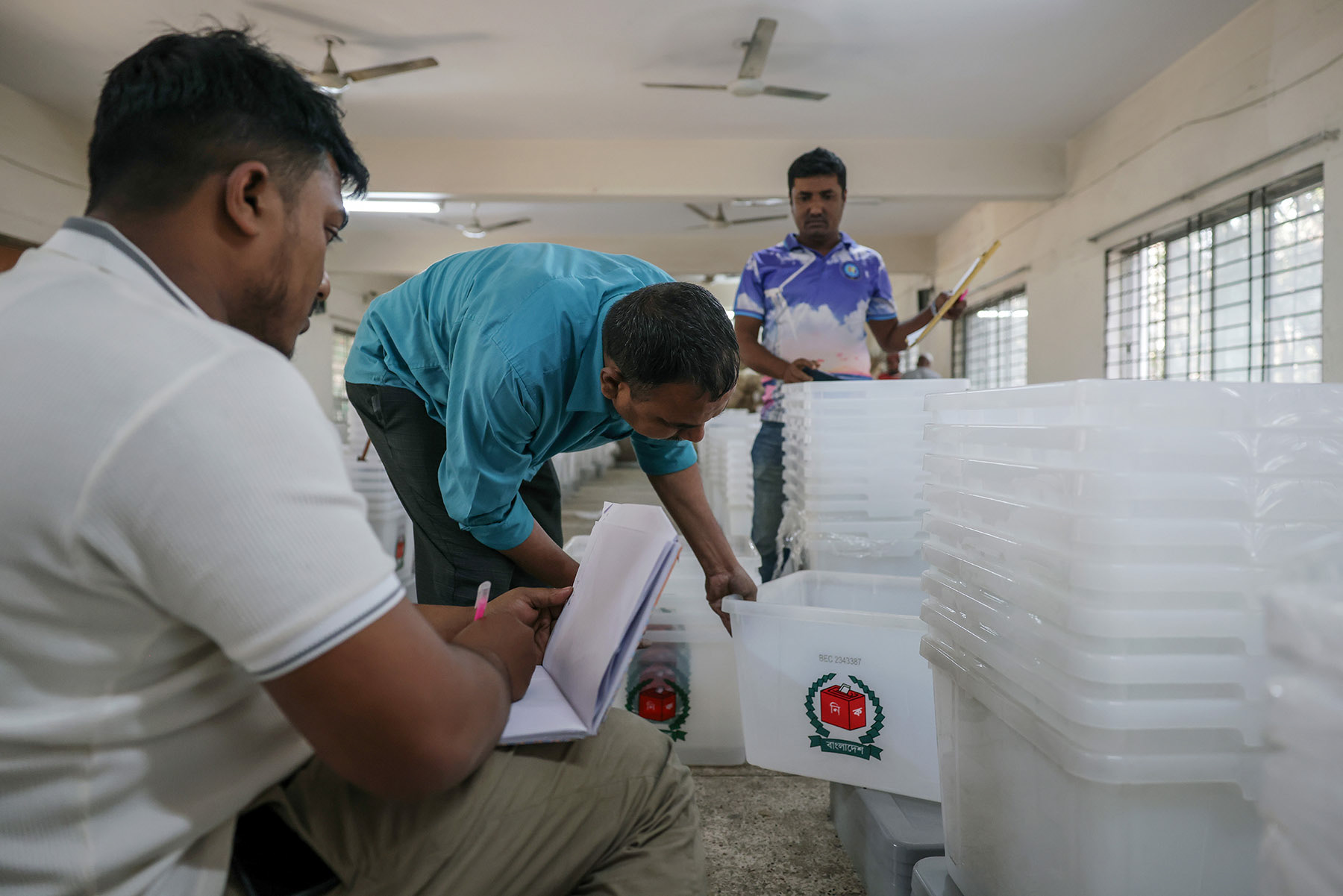
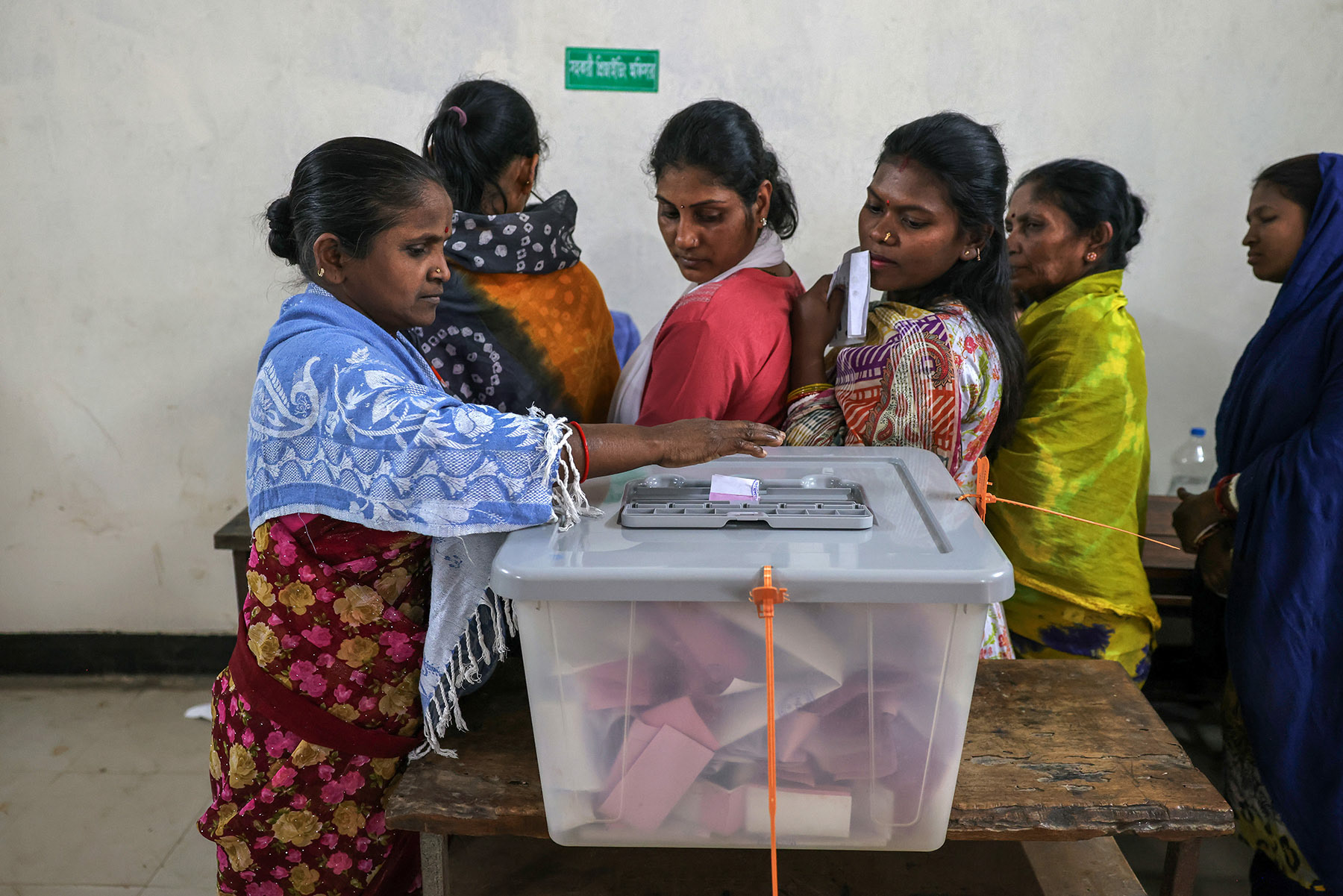
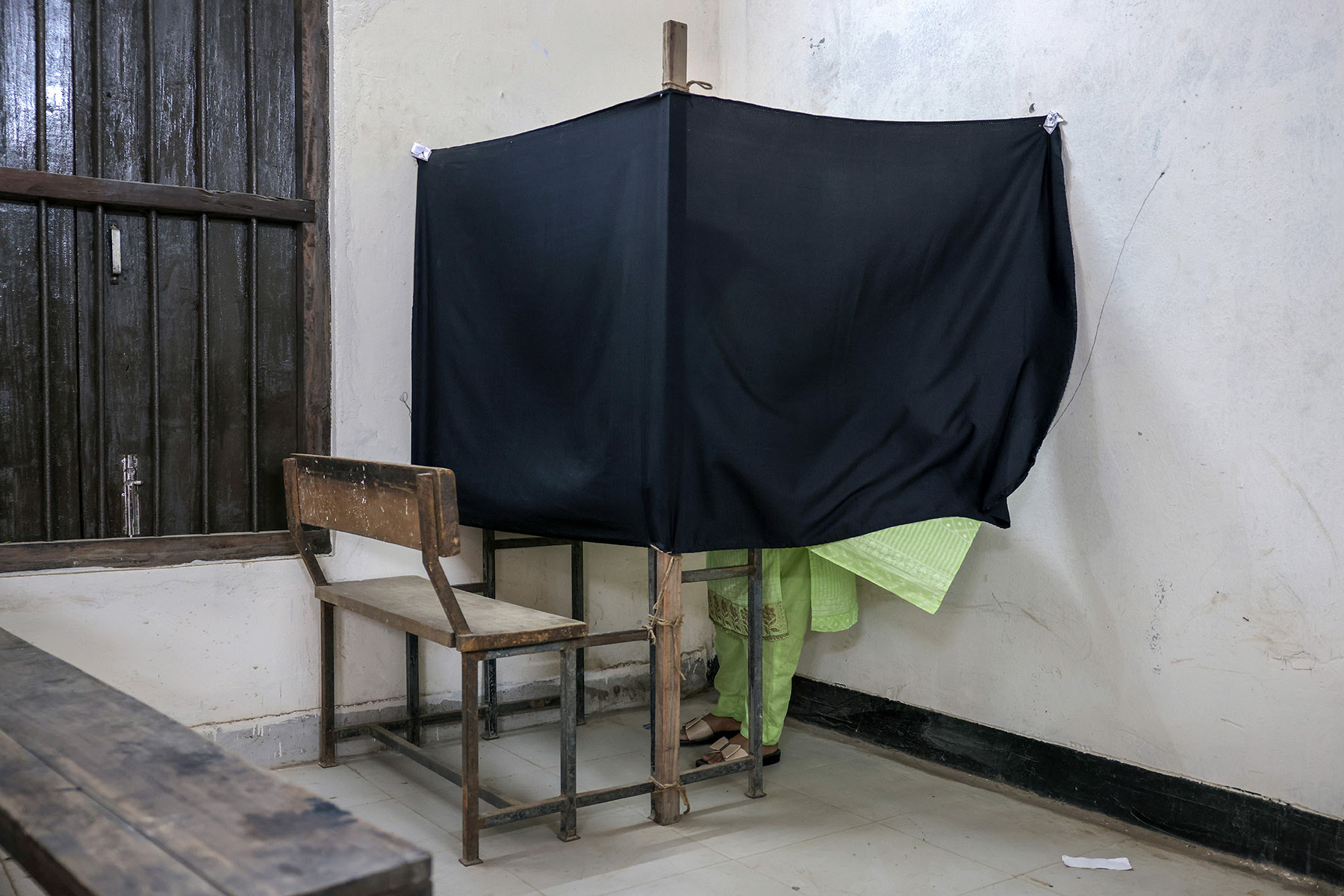
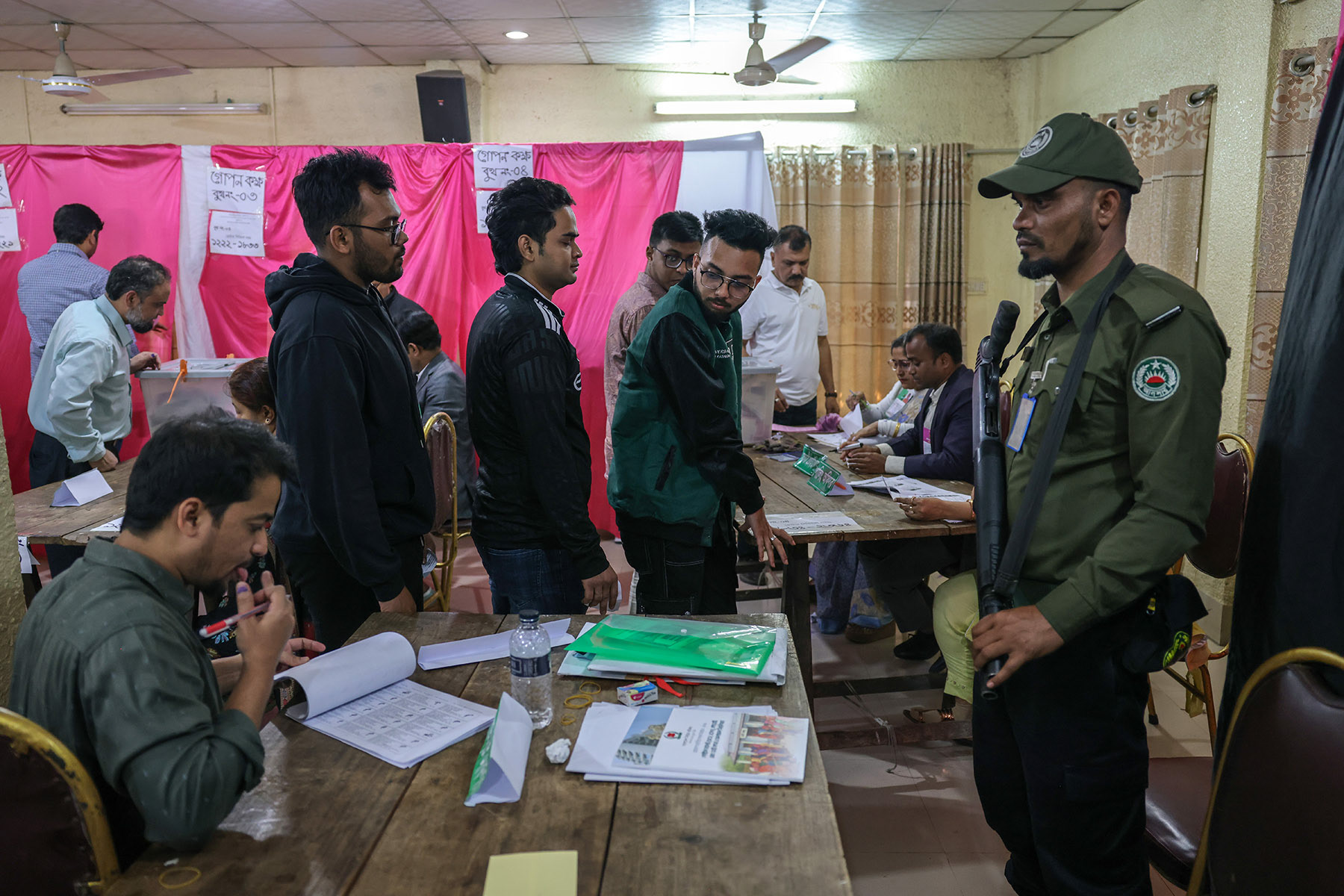
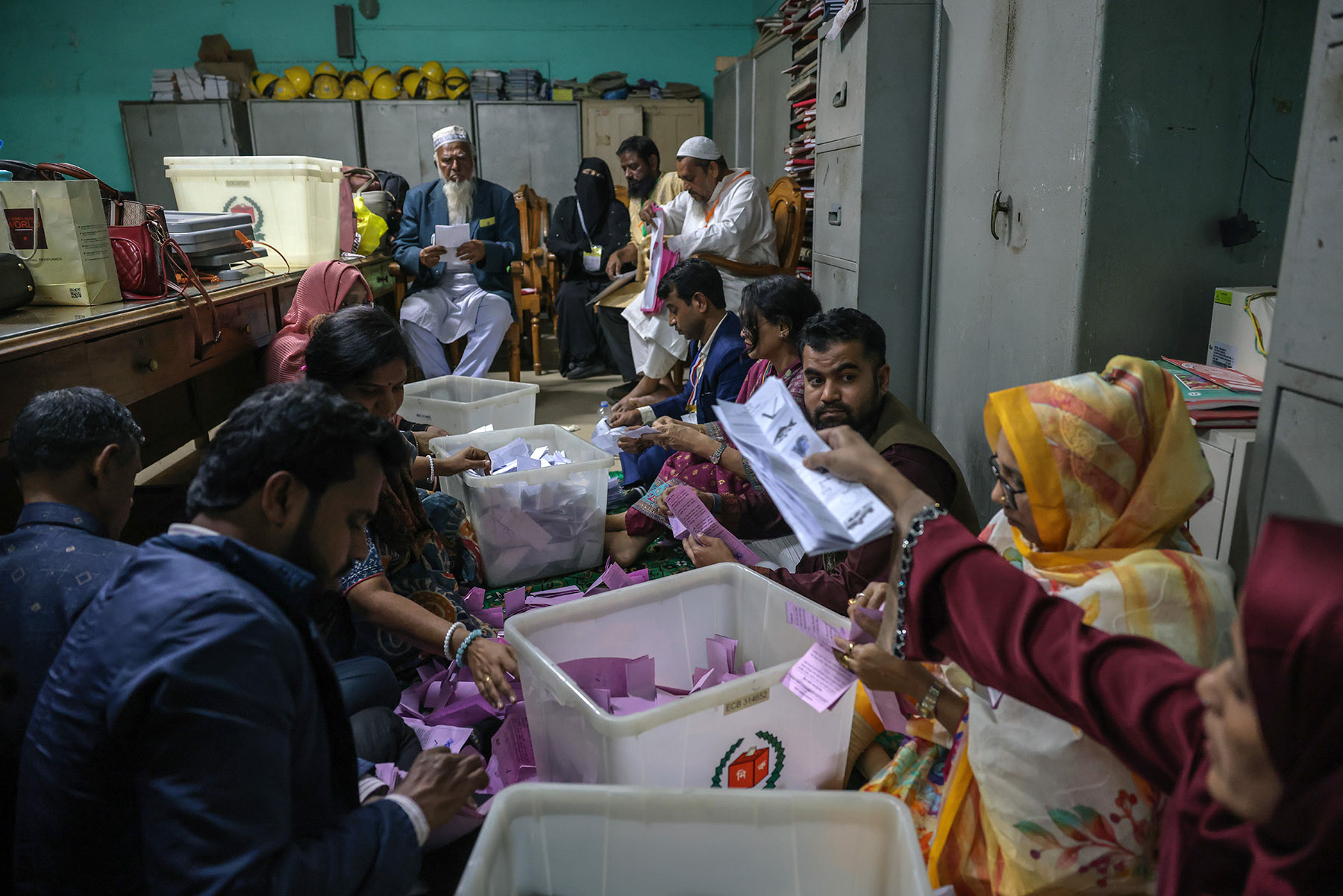
In a school building in downtown Dhaka, gunny sacks filled with ballot papers are stacked against the wall. Plastic ballot boxes line the floor. The only thing left for the workers at this distribution center before all the materials can be distributed throughout Dhaka is to prepare four hundred ballot papers for the referendum, which is also being held that day.
Text by Iva Venneman for de Volkskrant
Copyright Notice
All content on this website, including articles, photographs, videos, and graphics, is protected by copyright. No part of this website may be copied, reproduced, republished, translated, or used in any form without prior written permission. AI scraping, automated data collection, and unauthorized republication by news aggregators or third parties are strictly prohibited.
© All Rights Reserved.